Survive 7 Days In Desert Survival Actions & Resources Tier List
Rank what keeps you alive from Day 1 palm chops to the Day 7 camel rescue.
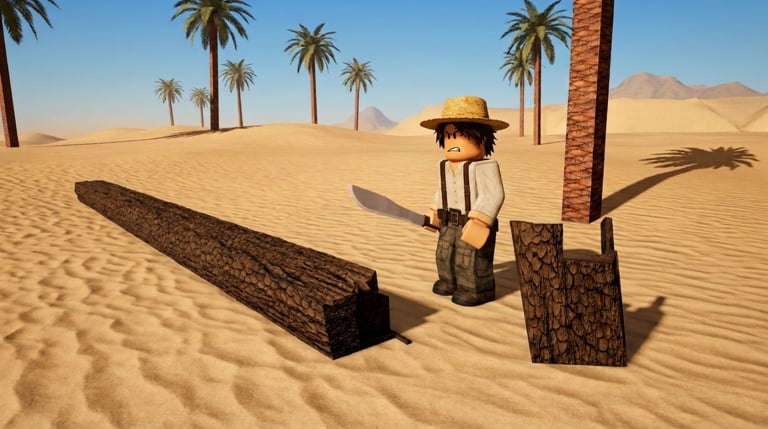
Survive 7 Days In Desert is not a collector gacha title with flashy unit banners. The “meta” is the order of actions and resources that keep a camp alive through heat, thirst, and the final camel rescue. This Tier List Hub ranks those priorities from S (do this or wipe) to D (nice later, dangerous if you over-invest early). Use it with the detailed breakdowns on Early Priorities and Resources, then execute through the Guides Hub.
Rankings below reflect the verified loop: chop palm trees, build camp, purify water, survive heat, and reach Day 7 rescue. The experience is WIP and still receiving updates after its 27 July 2026 launch, so treat tiers as priority guidance rather than permanent patch notes. When Christos Studios retunes rates, revisit this hub and the Updates page together.
How we rank (criteria)
We score each action or resource on four questions:
- Wipe prevention — Does skipping this end the run quickly?
- Compounding value — Does investing now make Days 4–7 easier?
- Co-op leverage — Does it help a full lobby (up to 25 players) share work?
- Opportunity cost — Does chasing it too early starve water, shade, or wood?
Combat flash and sightseeing score lower unless they directly protect the camp. Exploration matters, but not before basic survival infrastructure exists.
S-tier: non-negotiable survival pillars
Water purification (S)
Thirst ends runs that looked fine on wood stockpiles. Purified water is the difference between a calm afternoon and a scramble. Make purification capacity and routine checks a daily habit. Deep dive: Purify Water.
Shade and camp structure (S)
Heat is a core threat. A camp that provides shade and a clear staging area lets the lobby recover, craft, and plan without cooking in the open. Early palm wood should feed shelter before vanity. Deep dive: Build Camp and Survive Heat.
Heat discipline (S)
Even with shade built, bad timing — long mid-day treks, forgotten hydration, ignored warning signs — wipes parties. Treat heat as a resource meter you manage, not a background filter. Pair movement rules with the day plan in Day by Day.
A-tier: strong early investments
Palm wood and basic materials (A)
Chopping palms fuels camp upgrades and ongoing repairs. Wood is abundant relative to purified water in many runs, but falling behind on structure turns every heat spike into a crisis. Keep a surplus; do not strip the map so hard that you forget water duty.
Shared camp chores in co-op (A)
Assign roles: choppers, water tenders, shade watchers. A 25-player server that free-for-alls everything burns efficiency. Coordinated camps survive heat waves that solo-minded lobbies fail.
Day-plan checkpoints (A)
Knowing what “good” looks like on Day 2 versus Day 5 prevents panic upgrades. Use Early Priorities for Days 1–3 and the full Day by Day guide for the week.
B-tier: valuable, but after pillars
Broader exploration (B)
Scouting new palm clusters, landmarks, and resource pockets helps mid-run — after water and shade are stable. Exploring first often means dying knowledgeable.
Stockpiling beyond near-term needs (B)
Extra wood is good; endless hoarding while the filter sits idle is not. Stockpile with a purpose tied to the next camp upgrade or rescue prep.
Quality-of-life camp neatness (B)
Clear paths and labeled work zones help big lobbies, but polish should not outrank purification uptime.
C-tier: situational
Solo hero plays in full servers (C)
Carrying everything alone in a populated lobby wastes the design. Teach newcomers the S-tier loop instead of burning out.
Cosmetic flex or non-essential building (C)
Fun when safe. Dangerous on Days 1–3 when heat and thirst still punish delays.
Chasing unverified codes or scripts for an edge (C at best, often F in practice)
Codes are none yet per Creator Exchange research, and Scripts remain scarce and risky. Neither replaces S-tier fundamentals.
D-tier: traps and time sinks
Ignoring Day 7 prep until the last hour (D)
The camel rescue is the stated end condition. Showing up with a broken camp and empty water stores is a self-inflicted fail. Start light prep earlier using Camel Rescue.
AFK hoping the lobby carries heat management (D)
Servers fill fast at peak CCU, but idle players still consume shared attention and can leave gaps in water duty.
Trusting random third-party “tier lists” that invent weapons metas (D)
This game’s public loop is survival systems first. Rank actions and resources, not fictional loadouts.
Suggested reading order
- Skim this hub for S/A focus.
- Open Early Priorities before your next Day 1–3 session.
- Open Resources when deciding what to carry and store.
- Execute with Getting Started and the checklist at Survival Checklist.
- Recheck after patches via Updates.
Co-op tier mindset
In a full lobby, S-tier items become shared KPIs: purified water available, shade coverage during peak heat, wood buffer for repairs, and a spoken plan for rescue day. Callouts beat silent grinding. If chat is noisy, pick a simple code: “water,” “shade,” “wood,” “heat,” “rescue.” Align the Controls & Co-op Hub habits with these tiers so newcomers know what “helping” means.
How often tiers change
Because the game is WIP, expect retunes. A patch that buffs purification speed might free more labor for exploration (raising exploration toward A temporarily). A heat nerf or buff flips movement rules. We will adjust language here when facts change; we will not invent systems that are not part of the verified loop.
Bottom line
S-tier = purify water, secure shade/camp, practice heat discipline. A-tier = palm wood flow, co-op chore split, day checkpoints. Everything else waits its turn. Drill those priorities, then use the subpages and guides to turn rankings into a seven-day clear ending at the camel rescue.
Frequently Asked Questions
Quick answers to the most common desert survival questions.
Is this a character or weapon tier list?
No. Survive 7 Days In Desert rankings here focus on survival actions and resources such as water purification, shade, palm wood, and heat control.
What is the single highest priority?
Keep purified water and shade online while respecting heat. Those S-tier pillars prevent most early wipes.
Where are the detailed breakdowns?
See Early Priorities for Days 1–3 and Resources for wood, water, food, and camp material value rankings.
Do codes or scripts change the tier list?
Not currently. Codes are listed as none yet, and scripts are scarce and risky — fundamentals still dominate.